Choosing the right Home Inspection Services in Tampa Bay and Central FL is one of the most important steps in buying or selling a home. A thorough inspection protects your investment, strengthens negotiations, and helps prevent unexpected repair costs. In Florida, where homes face hurricanes, high humidity, and strict insurance requirements, selecting an experienced and properly licensed inspector is even more critical.
The best home inspection services combine local expertise, advanced tools, clear reporting, and strong communication. Below is a complete guide to help you make a confident and informed decision.
Why Local Experience Matters in Tampa Bay and Central FL
Not all inspections are the same. Homes in Tampa Bay and Central Florida face unique environmental conditions that inspectors must understand.
Coastal and Hurricane Exposure in Tampa Bay
Properties in areas like Tampa, St. Petersburg, and Clearwater are exposed to high winds, salt air, and heavy seasonal storms. Roof systems, attic ventilation, and exterior structures must be evaluated with hurricane resistance in mind. An inspector who understands wind mitigation features can identify improvements that may reduce insurance premiums.
Inland Conditions in Central Florida
Homes in Orlando, Lakeland, and surrounding inland areas experience high humidity, heavy rainfall, and soil movement. Drainage, grading, and foundation performance are especially important. Poor grading can lead to water intrusion, which is one of the most common issues in Florida homes.
Florida’s Climate-Driven Risks
Across both regions, inspectors should pay close attention to:
- Roof lifespan in high heat
- HVAC performance under humidity stress
- Moisture intrusion and mold risk
- Electrical systems exposed to coastal corrosion
A local provider like Value Shield Inspections LLC understands these regional challenges and tailors inspections to Florida’s specific risks.
What Should Be Included in a Comprehensive Home Inspection?
A professional inspection should be systematic, detailed, and clearly documented. Buyers should expect a complete evaluation of all major systems.
Structural and Exterior Components
Inspectors should assess the foundation, framing, visible structural components, and exterior siding. Cracks, settlement, and improper drainage are key concerns in Florida homes.
Roofing System
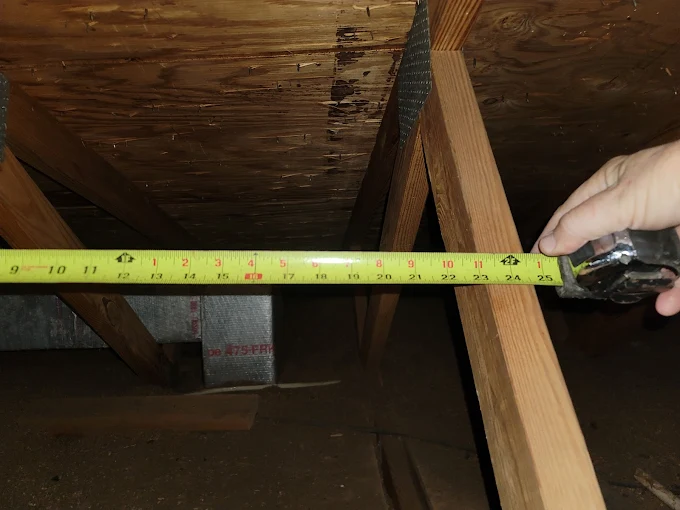
The roof is one of the most critical elements in Tampa Bay and Central FL properties. The inspector should evaluate shingles or tile, flashing, penetrations, and attic ventilation. In hurricane-prone regions, roof-to-wall connections are particularly important.
Electrical, Plumbing, and HVAC
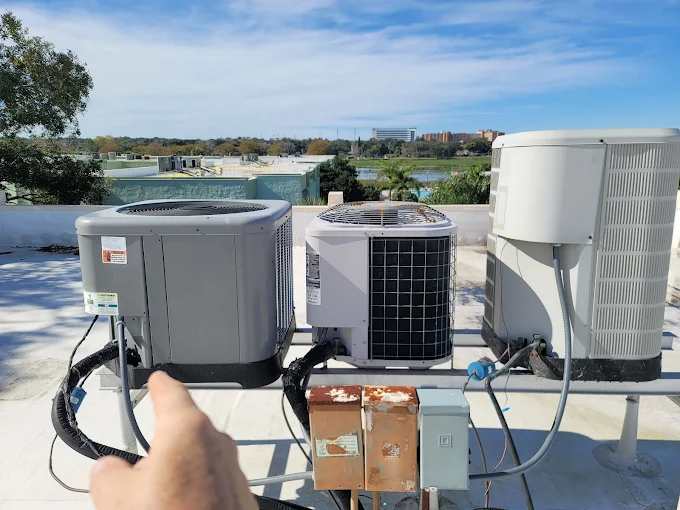
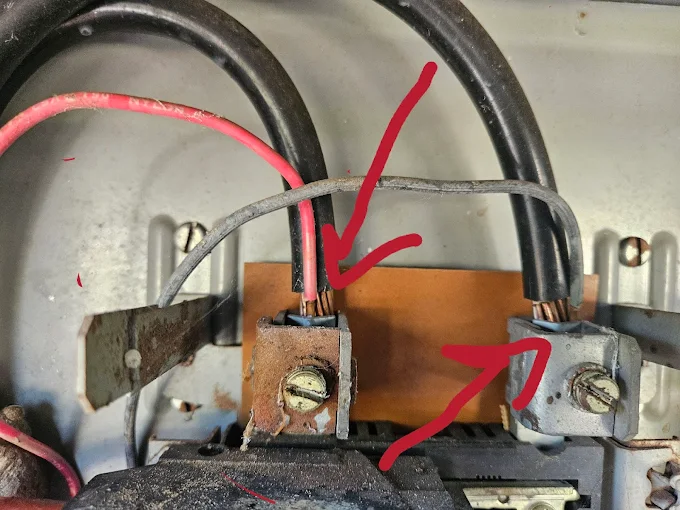
Electrical panels must be checked for safety, proper labeling, and signs of overheating. Plumbing systems should be evaluated for leaks, corrosion, and water heater safety. HVAC systems should be inspected for functionality and efficiency, especially given Florida’s heavy cooling demands.
Interior Components
Doors, windows, ceilings, walls, and flooring should be examined for signs of water intrusion, improper installation, or structural movement. Appliances are typically tested for basic functionality when included.
A high-quality report should include clear photos, written explanations, and prioritized recommendations.
Additional Florida-Specific Inspections You Should Consider
Standard inspections may not be enough in Florida. Many homeowners and buyers also require specialized evaluations.
Wind Mitigation Inspection
A wind mitigation inspection documents features that strengthen a home against hurricane damage. These may include roof shape, roof-to-wall attachments, secondary water resistance, and impact-rated windows. This inspection can potentially reduce insurance premiums.
Four-Point Inspection
A four-point inspection focuses on four major systems: roof, electrical, plumbing, and HVAC. Insurance companies often require this inspection for homes over a certain age. It provides insurers with updated condition information before issuing or renewing policies.
Mold and Moisture Assessments
Due to Florida’s humidity, mold growth can develop quickly when moisture is present. Inspectors using thermal imaging and moisture meters can identify hidden leaks or elevated moisture levels.
Pre-Listing Inspections
Sellers may choose a pre-listing inspection to uncover issues before listing their property. This proactive approach can prevent deal delays and strengthen buyer confidence.
How Much Do Home Inspection Services in Tampa Bay and Central FL Cost?
Home inspection pricing varies based on property size, age, and additional services requested. While costs differ, several factors influence pricing.
Property Size and Complexity
Larger homes require more time to inspect. Multi-story homes or properties with additional structures may increase inspection time and cost.
Age of the Home
Older homes may require more detailed evaluation due to outdated systems or potential structural wear.
Add-On Services
Wind mitigation, four-point inspections, mold testing, or sewer scope inspections are typically priced separately or bundled in packages.
When comparing pricing, focus on the scope of services and report quality rather than choosing the lowest quote. A slightly higher fee often reflects a more thorough evaluation.
10 Questions to Ask Before Hiring a Home Inspector
Before booking, ask clear and direct questions to evaluate professionalism and qualifications.
- Are you licensed in the state of Florida?
- Are you insured and do you carry errors and omissions coverage?
- How many inspections have you completed in Tampa Bay and Central FL?
- Do you provide wind mitigation and four-point inspections?
- Can I review a sample report?
- How long will the inspection take?
- When will I receive the final report?
- What tools do you use during inspections?
- Do you allow buyers to attend the inspection?
- Are you available for follow-up questions after the report is delivered?
Professional inspectors should answer confidently and transparently.
Red Flags to Avoid When Choosing a Home Inspection Company
Selecting the wrong inspector can lead to overlooked problems and costly repairs. Watch for these warning signs.
Extremely Low Pricing
If pricing is significantly below market rates, the inspection may be rushed or incomplete.
Lack of Licensing or Insurance
Always verify credentials. Operating without proper licensing is a serious red flag.
No Sample Report Available
A quality company should provide a sample report so you can evaluate clarity and detail.
Poor Communication
If scheduling is difficult or questions go unanswered, expect similar communication issues after the inspection.
Why Experience and Technology Make a Difference
Experienced inspectors know what to look for beyond surface-level defects. They recognize patterns common in Florida homes, including roof attachment concerns, moisture intrusion signs, and HVAC stress issues.
Advanced Tools
Modern inspections often include:
- Thermal imaging cameras
- Moisture meters
- Electrical testers
- Drone roof evaluations
These tools improve accuracy and reveal hidden defects that may not be visible to the naked eye.
Clear and Actionable Reporting
A professional report should include photos, plain-language explanations, and prioritized findings. This makes it easier for buyers to negotiate repairs or request credits.
Value Shield Inspections LLC emphasizes detailed reporting and thorough evaluations tailored to homes across Tampa Bay and Central Florida.
Home Inspection Checklist for Buyers
While the inspector performs the technical evaluation, buyers can stay informed by reviewing key areas:
- Roof condition and estimated age
- Attic ventilation and insulation
- Signs of water damage on ceilings
- Plumbing leaks or corrosion
- Electrical panel labeling and safety
- HVAC maintenance condition
- Exterior drainage and grading
Understanding these basics helps buyers interpret inspection findings more confidently.
Frequently Asked Questions
How long does a home inspection take?
Most inspections take between two and four hours, depending on home size and complexity. Larger properties or additional inspections may require more time.
Can a home fail an inspection?
Homes do not officially pass or fail. An inspection simply documents current condition and safety concerns. Buyers decide how to proceed based on findings.
Are wind mitigation inspections required in Florida?
They are not always required, but many insurance companies request them. They may also help reduce insurance premiums.
Who pays for the home inspection?
In most real estate transactions, the buyer pays for the inspection. However, sellers may pay for a pre-listing inspection.
Is a new construction inspection necessary?
Yes. Even new homes can have installation errors or overlooked issues. An independent inspection provides an added layer of protection.
Final Thoughts
Choosing the best Home Inspection Services in Tampa Bay and Central FL requires careful evaluation. Look for a licensed, insured inspector with strong local experience, advanced tools, and clear reporting practices. Consider Florida-specific services like wind mitigation and four-point inspections, especially if insurance requirements apply.
A thorough inspection protects your financial investment and provides clarity during one of the most significant decisions you will make. If you are buying, selling, or insuring a home in Tampa Bay or Central Florida, working with a trusted local provider such as Value Shield Inspections LLC can help ensure your property is evaluated with precision and professionalism.
Contact Information
- Phone: 813-401-2563
- Email: justin@valueshieldfl.com