Need a residential new construction inspection in Tampa Bay? Our expert inspectors will help you identify issues before moving in.
When you’re about to move into a newly built home in the Tampa Bay area, it’s tempting to assume everything is perfect. After all, it’s new construction. But here’s the thing: even brand‑new homes can harbor hidden flaws. That’s where a residential new construction inspection becomes a smart move. In this article we’ll break down what to expect, why it matters, and how it works—especially if you’re working with a specialist like ValueShield Inspections LLC in Tampa Bay.
Why a New Construction Inspection Is Worth It
What “new construction” really means
“New construction” simply means a home that hasn’t been lived in before or is just being finished. But “new” doesn’t guarantee flawless. Builders, subcontractors and inspectors all play a part in the process, and sometimes things can slip through—rushed work, missing components, compliance issues. For the Tampa Bay area, this is even more relevant because of Florida’s climate, building codes, drainage and storm‑related demands.
The hidden risks in a “new” home
Even a freshly built house may have:
- Foundation or grading problems (poor drainage, settlement)
- Roof or attic issues (ventilation, leaks)
- Exterior defects (windows, doors, flashings, stucco)
- Interior finish or installation problems (drywall, floors, cabinets)
- Electrical or plumbing issues (wiring, GFCIs, leaks)
- HVAC system problems or appliances not properly installed
For example, ValueShield’s service‑page notes that the inspection covers foundation/grading, roof/attic, exterior, interior, electrical, plumbing, HVAC, appliances, windows/doors and code‑compliance.
Why you shouldn’t rely solely on builder or county inspections
County or city building inspections often verify only minimum code compliance. They may not catch workmanship, cosmetic issues or components that are installed but not functioning optimally. In fact, ValueShield points out that builders can rely on subcontractors with varying standards—and homeowners might be left responsible if issues go un‑addressed.

What to Expect from a Residential New Construction Inspection in Tampa Bay
Timing: when should you schedule it
You’ll have more options than just “after construction finishes.” ValueShield recommends doing the inspection at various stages: pre‐drywall, final walkthrough, or both. Doing a pre‑drywall inspection means you catch hidden structural or installation issues before they’re covered up. Doing one at final walkthrough gives you the full house view.
What gets inspected
Here’s a breakdown of what a good new construction inspection will cover (based on ValueShield’s list):
- Foundation & grading: checking proper drainage, cracking, settlement.
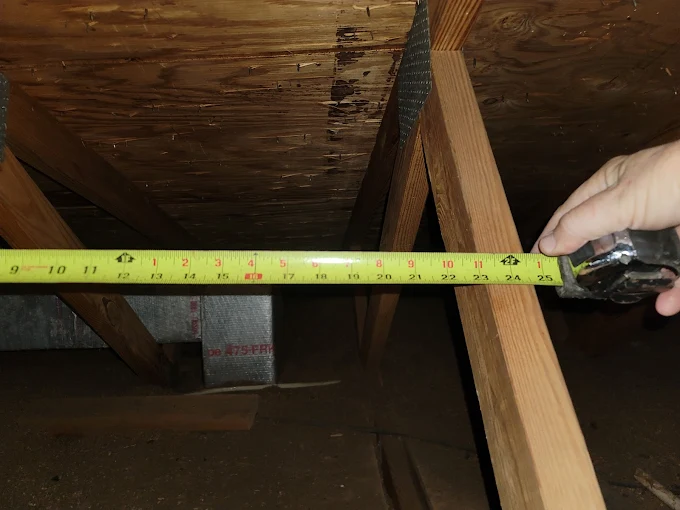
- Roof & attic: installation quality, ventilation, visible leaks or defects.
- Exterior: siding, stucco, windows, doors, flashings, trim.
- Interior: drywall, ceilings, floors, trim, cabinets, finish quality.
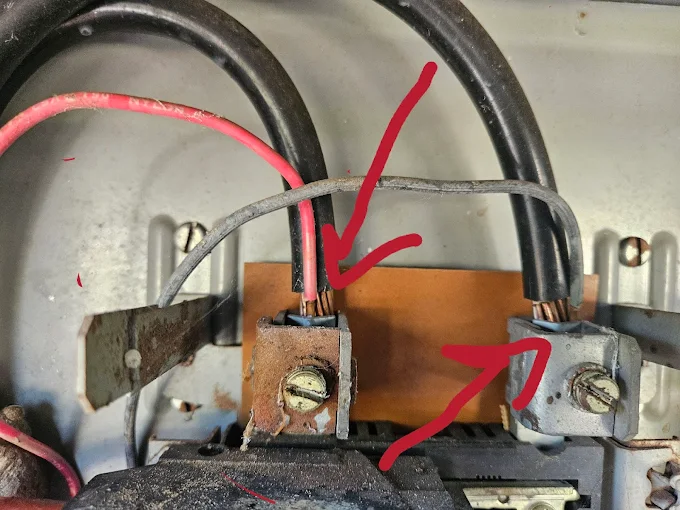
- Electrical system: panels, wiring, GFCIs, AFCIs, breakers, outlets.
- Plumbing: visible leaks, water heater, shut‑offs, fixtures, drainage.
- HVAC system: cooling/heating performance, ductwork, air handler.
- Appliances & built‑ins: proper operation and installation.
- Windows & doors: alignment, functionality, weather sealing.
- Code compliance & safety hazards: beyond just aesthetics, making sure things meet Florida’s standards.
Deliverables you receive
With ValueShield, you’ll get a photo‑rich inspection report delivered often within 24 hours of the assessment. The report is designed to be clear, actionable and understandable—even if you’re not a construction professional. The benefit: you walk into homeownership more informed, less stressed.
Why Choose ValueShield Inspections for New Construction in Tampa Bay
Local expertise and credentials
ValueShield is licensed in Florida, with certified home inspector credentials (CPI) and advanced training through organizations like InterNACHI, ASHI and ICC. Being local in Tampa Bay means familiarity with Florida‑specific building challenges—like storm resistance, humidity effects and drainage issues.
Their inspection approach focuses on you, the homeowner
ValueShield emphasizes that they work for you—not the builder. That’s important because it means their inspection is unbiased, focused on your interests (not the builder’s schedule). They also list features like:
- No hidden fees, straightforward pricing.
- Fast turnaround of reports.
- Clear communication and helping you understand what was found (and what to do next).
The peace of mind factor
Buying a home is one of the biggest investments many people make. With a new construction inspection, you get confidence that your home is ready or you know what needs fixing before you sign off. ValueShield’s tagline: “We see what others miss so you can buy, sell or stay with confidence.”
Cost and Timing Considerations
Cost factors
While I won’t quote specific pricing here (they’re variable and likely depend on home size, stage, etc.), keep in mind the cost will reflect: size of the home, complexity, how many inspection stages you want (pre‑drywall + final), travel/time. It’s a small fraction compared to discovering major issues after move‑in.
Ideal timeline
- Ideally schedule the inspection before you make final payment or sign off on finish work.
- If you wait until after the builder’s warranty expires (many new homes have a 1‑year builder warranty), you may lose leverage for repairs. ValueShield mentions the “11‑Month Warranty Inspection” for this reason.
- For Tampa Bay, coordinating inspection with your builder’s schedule and final walkthrough is smart.
How to Choose the Right New Construction Inspector
What to look for
- Valid Florida license + certifications like CPI (Certified Professional Inspector)
- Experience with new builds (not just older homes)
- Familiar with Florida’s building codes, weather risks, drainage, storm resilience
- Good communication: can explain findings in plain language
- Quick, photo‑rich detailed reports
- Works for you (homebuyer) rather than for the builder’s benefit
ValueShield fits all those check points: licensed, experienced with new builds, photo‑rich reports, buyer‑centric.
Questions to ask
- Do you inspect at pre‑drywall and final stage?
- How soon after the inspection will I get the report?
- Will you walk me through the report and explain defects I need to follow up on?
- Can you join me for the builder’s walkthrough, or are you available?
- What happens if the builder disputes an issue you identified?
What Happens After the Inspection?
Review the report
You’ll receive a detailed report identifying any issues — major, moderate or minor. You’ll want to categorize: safety concerns, structural/major system issues, cosmetic/finish issues. Prioritize the ones that may affect your safety or cost to rectify.
Work with the builder
If your home is under construction, you can present the findings to the builder and request corrective work before you move in or sign off. For a newly built home with a warranty, you’ll want all items addressed while you still have bargaining power.
Plan for ongoing maintenance
Even the best‑built homes need care. Use the inspection findings as a baseline for future maintenance. Fix small issues before they grow, keep records, and ensure your home remains in solid condition in Tampa Bay’s climate.
Special Considerations for Tampa Bay and Florida Region
Climate and environment demands
Florida’s high humidity, heavy rains, high wind events, and drainage demands make certain inspections especially critical:
- Grading and drainage: ensuring water doesn’t pool near the foundation.
- Roof and attic ventilation: hot, humid climate stresses systems.
- Hurricane/wind mitigation: Florida codes require certain features (though your new inspection may focus more on build quality than insurance‑specific wind mitigation). ValueShield offers wind mitigation inspection services as well.
Builder oversight vs homeowner protection
In many regions, new builds may move quickly from phase to phase. If you’re not inspecting early, you might miss defects that get hidden behind drywall or finish materials. Tampa Bay homes may also face unique local code or environmental compliance. Having an independent inspector like ValueShield can bridge that gap.

Final Thoughts: Protecting Your Investment with Confidence
Buying a new construction home in Tampa Bay should feel exciting, not stressful. But the reality: you want to know your investment is sound. A professional residential new construction inspection ensures you step into homeownership informed and confident.
If you choose a company like ValueShield Inspections LLC, you’re engaging someone with local knowledge, specialized experience in new builds, and a commitment to serving the buyer—not just ticking boxes. They deliver photo‑rich reports quickly, communicate clearly, and help you make smarter decisions.
Call to Action (CTA):
Ensure your new home in Tampa Bay is safe and structurally sound with our residential new construction inspection. Don’t wait for issues to arise—call ValueShield Inspections LLC now at (813) 401-2563 to schedule your inspection today. With a comprehensive inspection, you can rest easy knowing your new home is built right. Contact us for a free consultation and personalized inspection options!
FAQS
What is a residential new construction inspection in Tampa Bay?
A new construction inspection evaluates a newly built home to ensure it meets building codes and is free of defects like structural or system issues.
Why do I need a new construction inspection for my home in Tampa Bay?
Even new homes can have hidden defects. An inspection helps identify potential problems before you move in.
When should I schedule a residential new construction inspection in Tampa Bay?
It’s best to schedule inspections before drywall is installed (pre-drywall) and after the home is completed (final inspection).
How long does a residential new construction inspection in Tampa Bay take?
The inspection typically takes 2 to 4 hours, depending on the home’s size and complexity.
What is included in a residential new construction inspection?
The inspection covers the foundation, roof, plumbing, electrical, HVAC, appliances, windows/doors, and overall code compliance.