Buying a home in Tampa is exciting — but Florida’s climate, local building practices, and insurance rules mean you should be extra-smart about inspections. This guide walks you through what to look for from the roof to the foundation, explains specialty reports that matter in Tampa, and gives practical tips so you can negotiate confidently. Brought to you by ValueShield Inspections LLC, a Tampa Bay home inspection company that delivers clear, photo-rich reports and fast turnaround.
Why A Thorough Tampa Home Inspection Matters
A complete home inspection uncovers safety issues, hidden damage, and costly repairs you might inherit. In Tampa, inspectors pay special attention to hurricane readiness, moisture problems, and flood risk — all of which can affect a home’s livability and insurance costs. Use the inspection report to negotiate repairs, request credits, or (if necessary) walk away from a risky deal.
The Roof — First Line of Defense
What inspectors check
- Roof covering age and condition (missing tiles, cracked shingles)
- Flashing and penetration seals around chimneys and vents
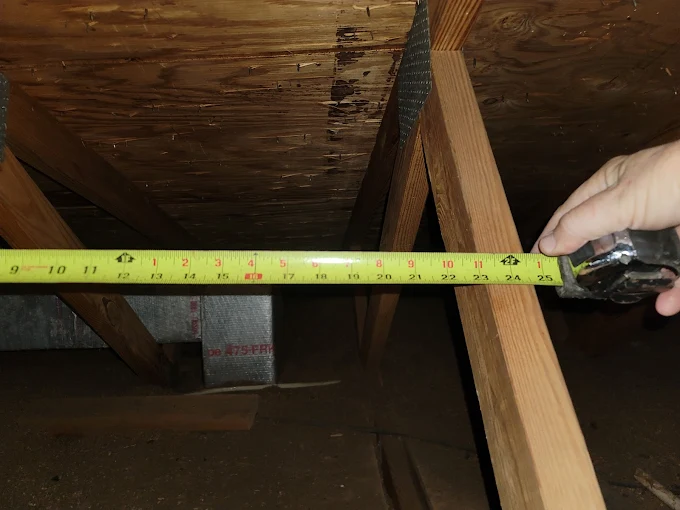
- Evidence of leaks inside the attic or on ceilings (stains, rot)
- Roof structure and attachment (important in wind-prone Tampa)
Tampa-specific notes
Tampa’s storms and UV exposure shorten roof lifespans. Older roofs are a major issue for insurers and can trigger a four-point or insurance inspection requirement. If the roof is near the end of its life, expect negotiations or insurance headaches.

The Foundation & Structure — Look For Movement And Drainage Problems
Signs of foundation trouble
- Stair-step cracks in brickwork or masonry
- Doors and windows that stick or don’t latch properly
- Cracks in interior walls concentrated in corners or above doors
- Uneven floors or gaps between walls and floors
Drainage & elevation matter in Tampa
Poor grading and clogged gutters send water toward the foundation — a frequent culprit behind foundation damage and mold. Tampa’s flood maps and local drainage patterns should be considered when assessing risk. For exact flood-zone status, check Hillsborough County or FEMA maps before you buy.
Plumbing — Leaks, Materials, And Insurance Triggers
What to expect
- Visible leaks under sinks, around tubs, and at connections
- Water heater condition and age (tank-style heaters often need replacement)
- Supply and drain materials (older galvanized lines or polybutylene may be flagged)
- Sewer-scope recommendation for older properties or when sewer history is unknown
A sewer scope inspection can reveal collapsed lines, tree root intrusion, or backups — issues that are expensive to repair and disruptive to daily life.
Electrical & Safety — Critical Inspection Areas
Top electrical checks
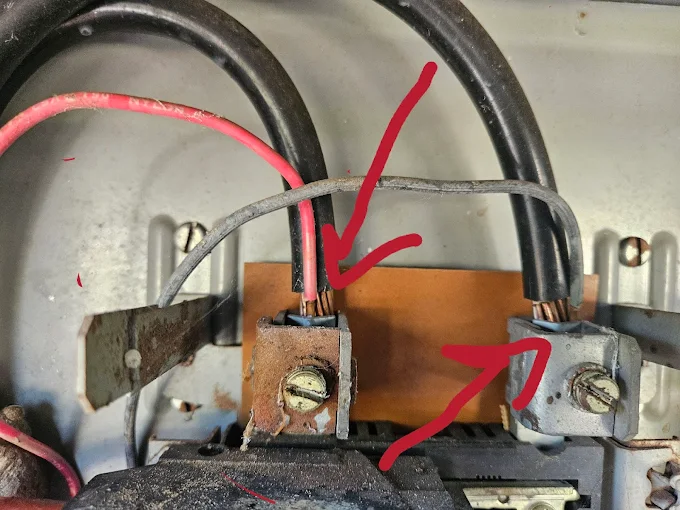
- Service panel condition and labeling (fuses vs. breakers, aluminum wiring concerns)
- Proper grounding and presence of AFCIs/GFCIs where required (kitchens, bathrooms, exterior)
- Exposed wiring, overloaded circuits, or DIY electrical work that’s not up to code
Electrical hazards are a top safety concern. If an inspector finds unsafe wiring, your lender or insurer may require repairs before closing.
HVAC — Performance And Maintenance
What to have inspected
- Age and service records of the AC and furnace
- Cooling performance during inspection (inspectors often note if units struggle)
- Ductwork condition and obvious air leaks
- Presence of regular maintenance stickers (a good sign)
Given Tampa’s heat and humidity, a failing air-conditioning system is uncomfortable and expensive — and it can worsen indoor mold problems.
Mold & Moisture — A Florida Reality
Why Tampa homes are vulnerable
Florida’s high humidity and frequent rain create conditions where mold can develop quickly inside homes — especially where there has been water intrusion, poor ventilation, or roof/foundation issues. Mold can damage materials and aggravate respiratory conditions, so inspectors watch for signs of current or past moisture problems.
What buyers should do
- Ask the inspector about visible mold or conditions likely to produce mold (poor attic ventilation, persistent leaks).
- Consider a focused moisture or mold assessment if you suspect hidden issues.
- Factor remediation costs into negotiations.
Wind Mitigation & Four-Point Inspections — Insurance Matters In Tampa
Wind mitigation inspections
A wind mitigation inspection documents features that help a home withstand high winds — e.g., roof-to-wall connections, reinforced openings, impact windows, and roof covering type. Submitting a wind mitigation report to your insurer can often lead to discounts on the wind portion of your premium. Florida actively promotes wind-mitigation measures for both safety and insurance savings.
Four-point inspections
Many Florida insurers require a four-point inspection for older homes. This focused report covers the roof, electrical, plumbing, and HVAC to certify insurability. Knowing whether a property will pass a four-point inspection ahead of closing prevents last-minute insurance surprises.
Specialty Inspections Worth Considering In Tampa
- Sewer scope inspection — essential for older neighborhoods with mature trees.
- Elevation/grade and drainage report — useful in flood-prone or low-lying lots.
- Lead paint testing — relevant for pre-1978 homes or if you suspect painted surfaces contain lead.
- 11-month warranty inspection — for buyers of new construction who want the builder to fix defects before warranty expiry.
ValueShield Inspections lists all these specialty services, so you can bundle the right checks for your risk profile.
How To Use The Inspection Report (And Get The Most Value)
Read the summary, then the photos
A quality report highlights safety issues first, followed by maintenance and cosmetic notes. ValueShield provides photo-rich, easy-to-read reports delivered quickly so you can act while contingencies are open.
Prioritize repairs
Divide the report into:
- Safety and immediate repairs (electrical hazards, major structural issues)
- Major cost items (roof replacement, HVAC, foundation repairs)
- Maintenance and cosmetic items (gutter cleaning, paint)
Use this prioritized list in negotiations — request repairs, credits, or a price reduction depending on severity and your contingency rights.
Practical Tips For Buyers During The Inspection
- Attend the inspection — walking the house with the inspector is the best way to understand issues and maintenance needs.
- Bring your list — note questions about warranties, prior repairs, and service histories.
- Ask about lifespan — ask the inspector how many years of service remain on major systems (roof, HVAC, water heater).
- Request estimates — for major fixes, get a contractor estimate to support negotiation figures.
- Check permits — unpermitted work can be costly to correct; ask the inspector whether visible updates appear permitted or not.
Local Context — Tampa Buyer Considerations
Flooding & extreme weather
Even areas not mapped in FEMA’s highest-risk zones can flood in extreme events. Recent storms in the Tampa Bay area underscore why elevation, drainage, and local flood maps matter. Check Hillsborough County’s flood resources and FEMA maps for the property’s official flood designation.
Insurance landscape
Because insurers in Florida often require wind mitigation or four-point documentation (especially for older homes), it’s smart to order those inspections early in the contract period so you aren’t caught without coverage at closing. State programs and incentives also encourage wind mitigation upgrades.

Choosing The Right Inspector In Tampa
When hiring an inspector, look for:
- Florida license + relevant certifications (e.g., CPI)
- Strong local knowledge of Tampa-area issues (wind, flood, humidity)
- Clear reporting with photos and same-day turnaround if possible
- Good communication — a helpful inspector explains what’s urgent and what’s maintenance
At ValueShield Inspections LLC, inspections are performed by licensed, CPI-certified personnel and reports are delivered fast so buyers can move confidently.
Quick Tampa Home Inspection Checklist
- Roof: age, leaks, flashing, attic ventilation
- Foundation: visible cracks, drainage, grade away from home
- Plumbing: leaks, water heater, supply/drain materials
- Electrical: panel type, GFCIs/AFCIs, exposed wiring
- HVAC: age, serviceability, duct leaks
- Interior: signs of mold, water stains, door/window operation
- Exterior: grading, gutters, pool/spa condition, irrigation
- Special: wind mitigation, four-point, sewer scope, elevation/drainage report
Final Thoughts — Buy Confidently In Tampa
A Tampa home inspection does more than find problems — it arms you with knowledge to negotiate, plan maintenance, and budget for upgrades that protect your family and investment. Be sure to include wind mitigation and four-point considerations early, evaluate flood and drainage risks, and prioritize safety issues first.
If you’re buying in Tampa, let ValueShield Inspections LLC help you from roof to foundation. Their Tampa-area team provides licensed inspections, specialty reports, and clear photo-driven reports so you can make the smart decision. Book an inspection early in your contract period to avoid surprises at closing.